
BLOG
New Business Models and Solutions in Foreign Trade
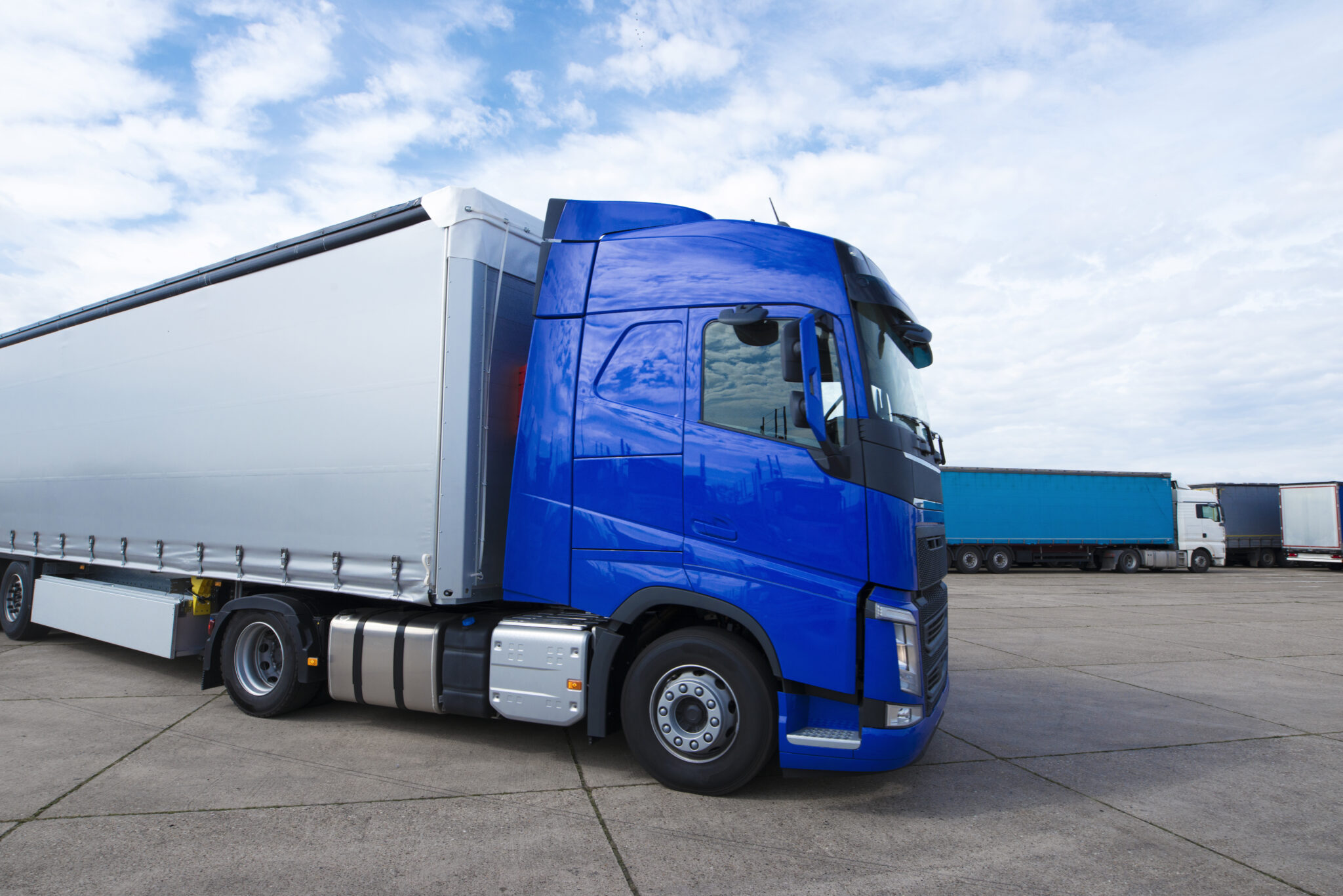
Countries differ from each other in terms of their resources, labor force and technology. When these differences intervene, the concept of trade emerges when not every product can be produced in every country and other countries are needed. The strategy of entering international markets is generally and basically grouped as export, contract and investment based. Businesses cooperate with other businesses abroad, depending on the above-mentioned strategies for entering international markets. They work on different business models by investing together through contractual partnership.
Opening up to foreign trade has a significant impact on the economies of countries. It is important for countries with poor economies to open the products they produce to the foreign market in order to increase their production. Today, almost all countries are engaged in foreign trade. For example, the growth and development of businesses should not be evaluated only by the trade they do in the market of the country they are in. Globalization is experienced in every field and trade has started to show itself in an international dimension.
New business models in foreign trade are as follows:
- B2B Business to Business; This business model means supplying products from one business to another business. With this model, buyers and sellers meet on the same website.
- B2C Business to Consumer; This business model is defined as a business model from the company to the consumer. In this model, companies can offer their products for sale in their own virtual stores. In the same way, consumers can access the products they are looking for here.
- C2B Consumer – Business; This business model is also defined as consumer-to-company. Consumers offer a fee to the firm in exchange for a product or service.
- C2C Consumer to Consumer; The e-commerce sector has now grown and led to this business model. It is the application of selling to the opposite customer with the commission paid by the customers to the site.
B2B Business to Business; This business model means supplying products from one business to another business. With this model, buyers and sellers meet on the same website.
Importance of Foreign Trade
Foreign trade is very important for economic development. In order to have a high national income, countries need to increase exports. In today’s globalized world, it is not possible for countries to live with a closed economy. International marketing should be given importance and new trade routes should be sought. It is also an economically important practice in global terms.
Most of the countries in the world today are either underdeveloped or developing countries. In underdeveloped countries, the national income per capita is low and the way to increase it is to export as mentioned above. When foreign trade increases and different products are offered to the market, it will be seen from the perspective of globalization and the economy will be strengthened. However, specialization is essential for growth and development. This specialization happens in sectors with intensive technology. When an evaluation is made in this way, development and internationalization will be at a lower level in less developed countries.
Transit Foreign Trade
The concept of transit refers to the transportation of a product from one country to another country without paying any tax. It is the realization of the sale of products purchased from an enterprise located abroad or in a free zone to the country located abroad or in a free zone by transiting through the country.
There are some types of transit trade practices:
- Transit trade, the transit sale of products of foreign origin to another country, provided that foreign exchange is earned for the country.
- The sale of products purchased abroad to another country. This is also called reexport. In this practice, the brand of the product is changed after import and exported.
- In the type of trade called Switch, products are sent directly from the seller country to the buyer country. It is the name given to exports between two different countries.
Types of Capital in Foreign Trade Enterprises
Capital is one of the features of primary value for an enterprise. It can be defined as the money or goods necessary for an enterprise to start and sustain its activities.
- Capital according to its characteristics: The first is cash capital. It refers to the values given to the enterprise in monetary terms by the partners. The second is intangible capital. Intangible capital refers to values consisting of rights such as patents, goodwill and concessions. The first capital model is tangible, while the second capital model is intangible.
- Capital according to its sources: Equity and foreign capital.
- Types of capital according to their intended use: Working capital and fixed capital. There is also intellectual capital. This type of capital is the intangible elements that the enterprise must have in order to continue its activities.
NURMAS İÇ VE DIŞ TİCARET A.Ş.
Nurmas İç ve Dış Ticaret A.Ş., established in 2022; It offers solutions to various natural stone needs needed by luxury residences, villas, hotels, construction sites, shopping malls and landscape architects. Nurmas will continue its path by constantly renewing itself in the developing technology and competitive conditions; It is also a natural stone mining solution partner in domestic and international construction projects.

2022 – Nurmas İç ve Dış Ticaret A.Ş.
Tüm hakları saklıdır. Brand Teller & Co.


All Rights Reserved l Brand Teller & Co.
Services
Import
Export
Project Consultancy
Contact


+90 (212) 909 49 04
+90 (545) 673 81 12
info@nurmas.com.tr
Yeşilyurt Mah. Atatürk Cad. EGS Business Park Blok No:12 İç Kapı No: 1 Bakırköy / İstanbul / Türkiye